Window Treatments 101: Types, Styles, and What They Actually Do
Window treatments are often one of the last design decisions made—but they’re one of the most impactful. Beyond aesthetics, the right window treatments control light, privacy, insulation, and overall comfort. At Brit Nelson Interiors, we view them as both a functional necessity and a critical design layer.
Here’s a breakdown of the most common types of window treatments—and what each one is designed to do.
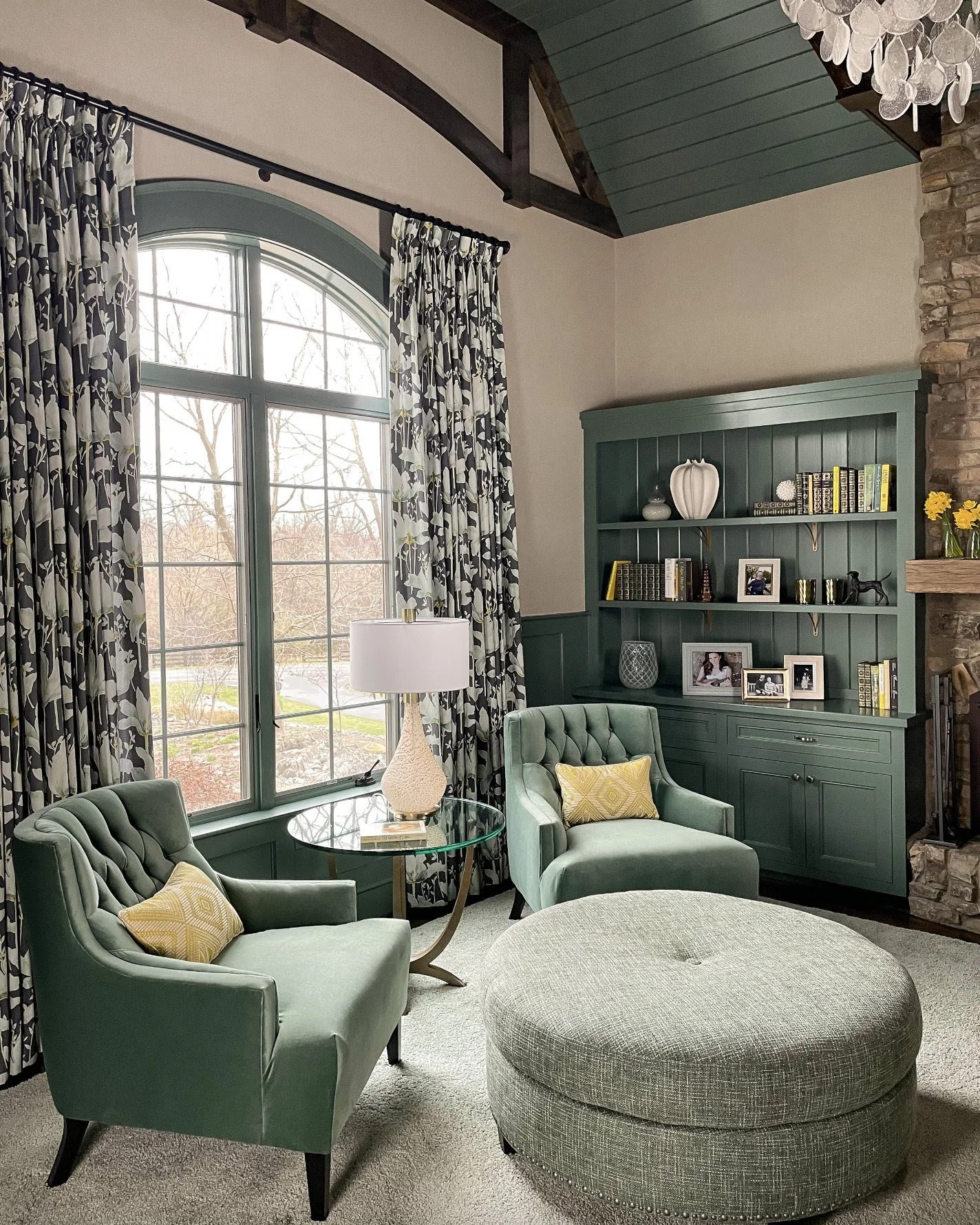
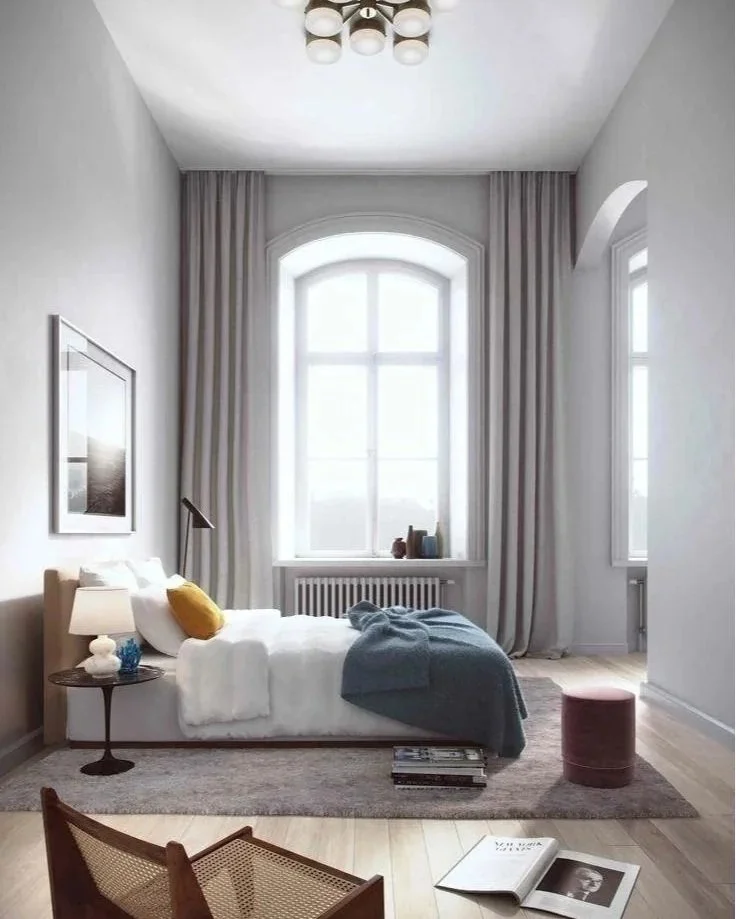
Drapery Panels
Drapery panels frame a window and bring immediate warmth and polish to a space. Whether tailored and structured or relaxed and flowing, drapery adds a sense of intention and completeness.
Function:
Softness • Drama • Insulation • Visual heightBest used in:
Living rooms, primary bedrooms, dining rooms, and large windows or doors.Why we love them:
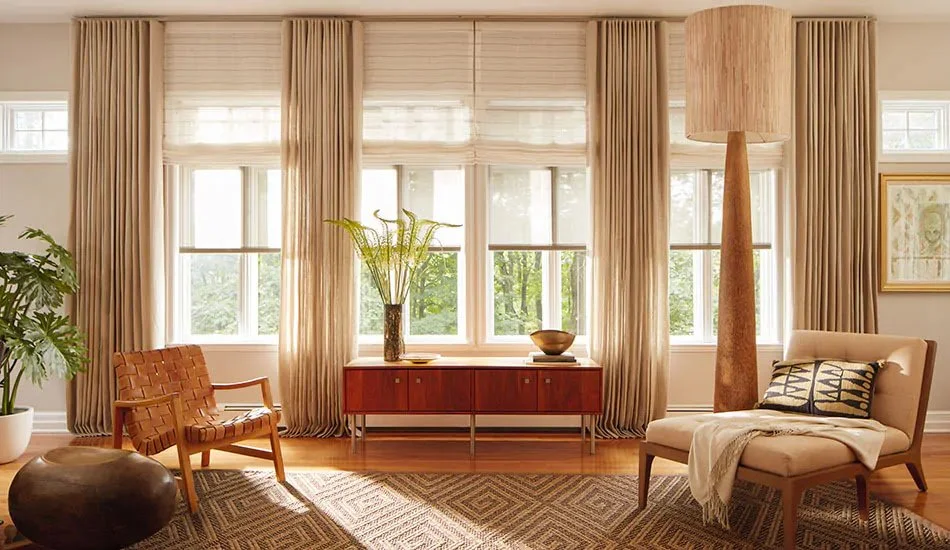
Hanging panels high and wide visually enlarge windows and raise ceiling height—making rooms feel more expansive and refined.
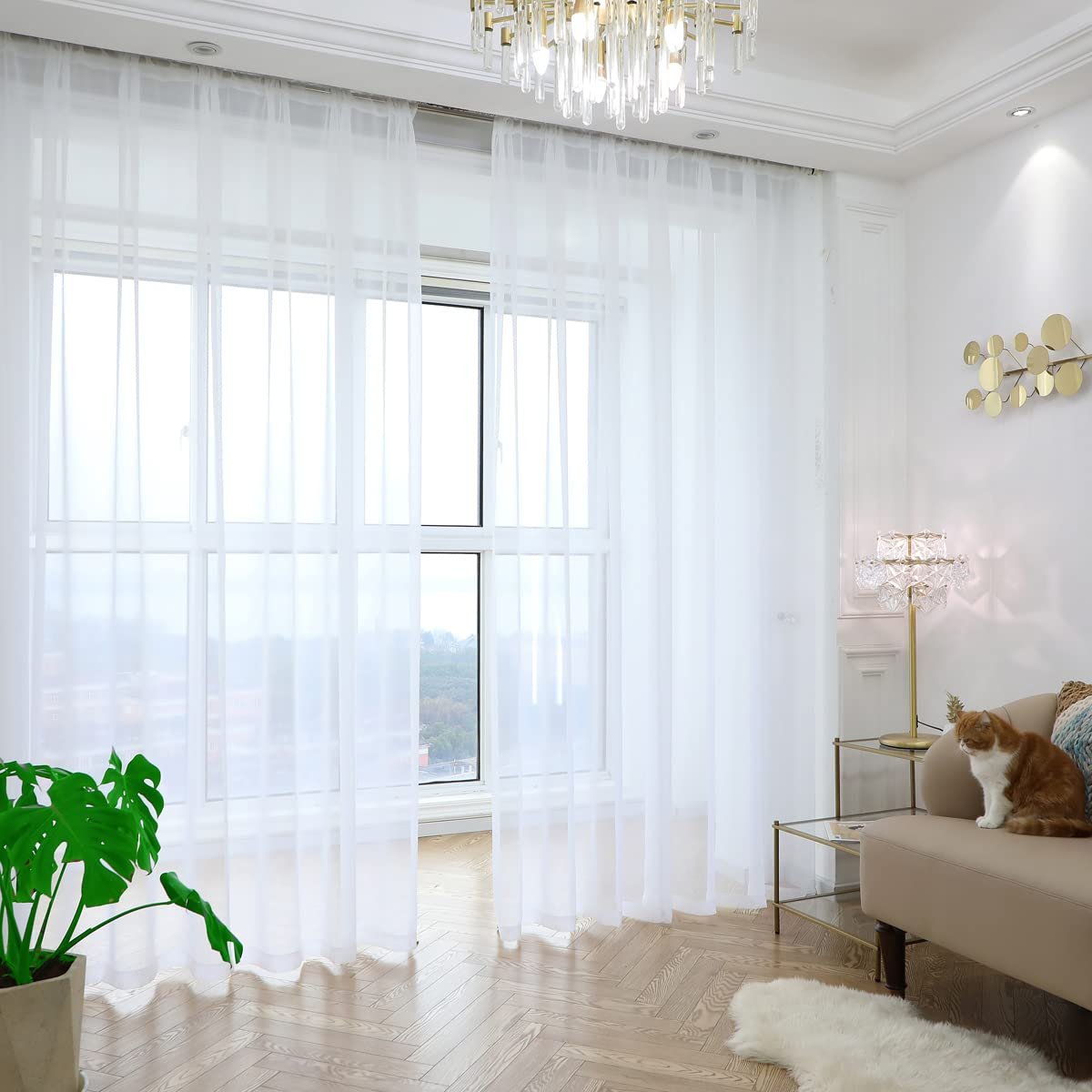
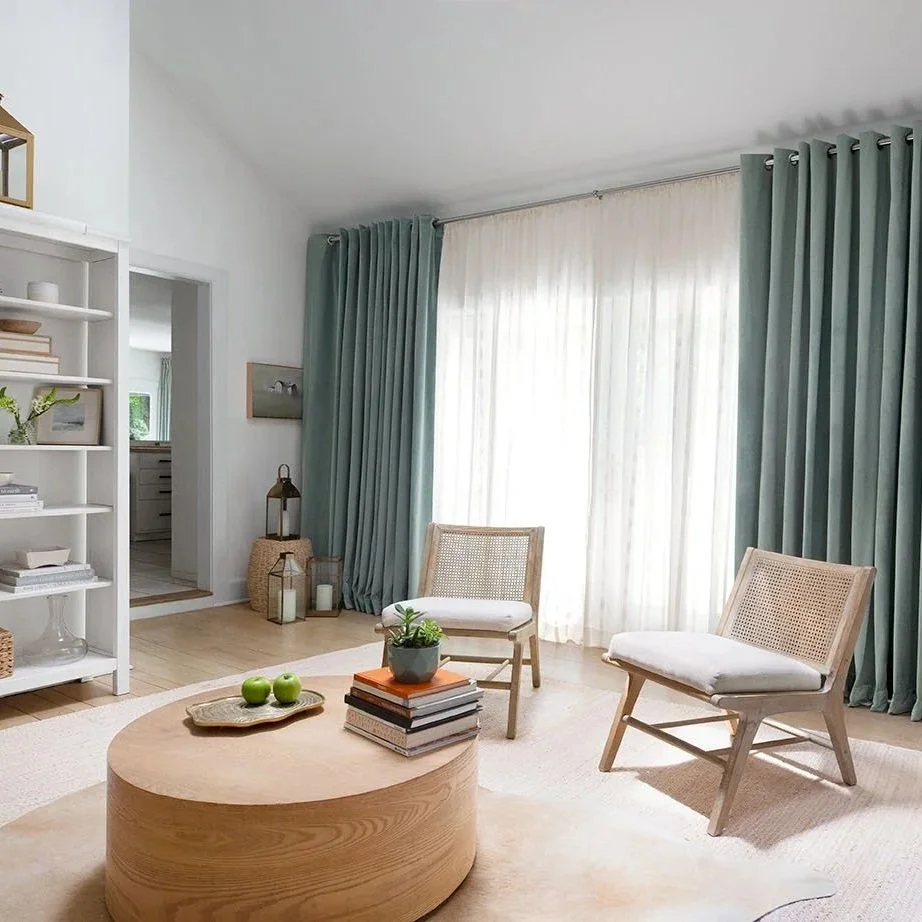
Sheer Curtains
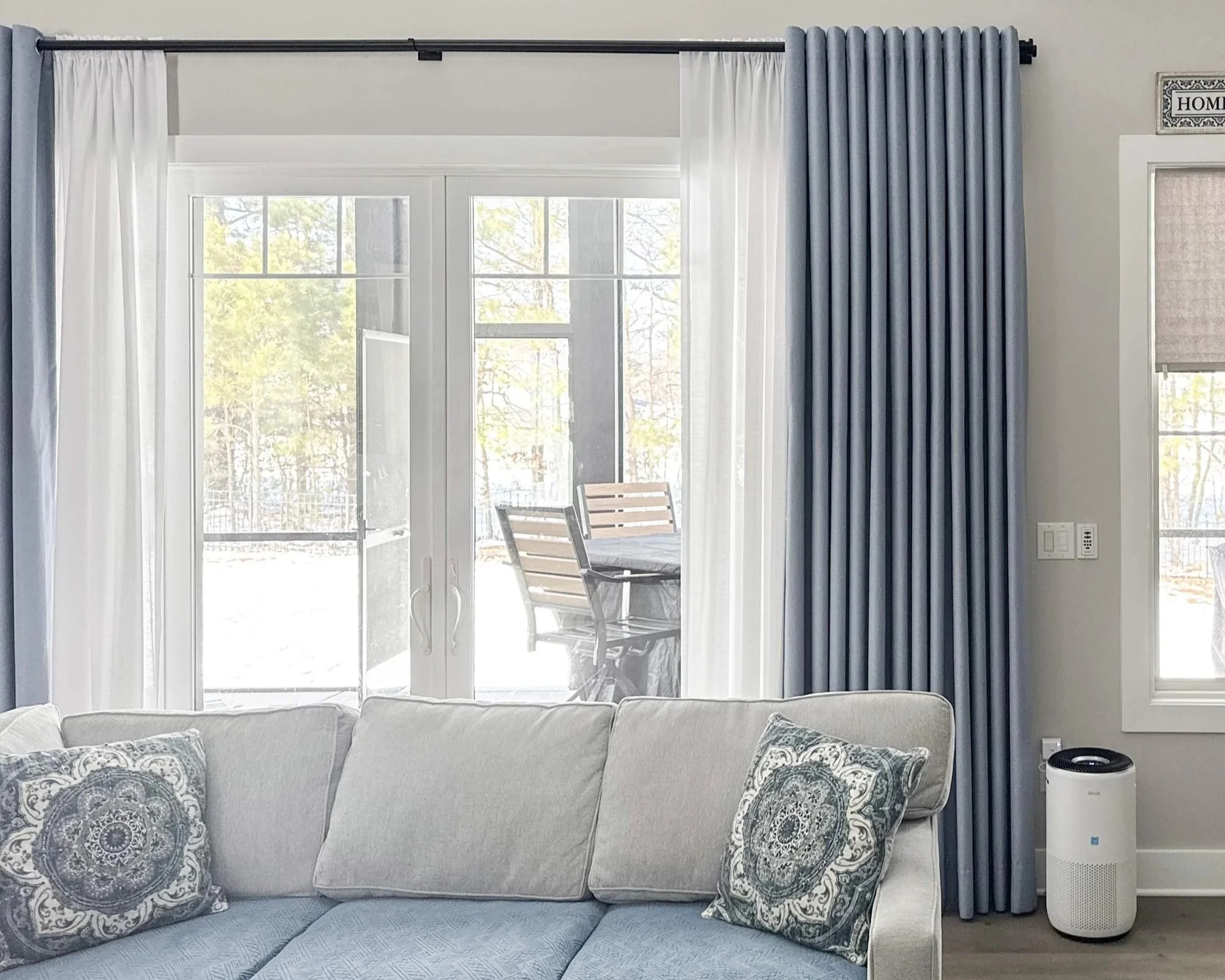
Sheer curtains allow natural light to pass through while gently diffusing harsh sunlight. They provide privacy during the day without blocking the connection to the outdoors.
Function:
Light filtering • Daytime privacy • SoftnessBest used in:
Living spaces, sunrooms, and layered beneath drapery panels.Design benefit:
Sheers add an airy, effortless layer that keeps rooms from feeling heavy or overly formal.
Roman Shades
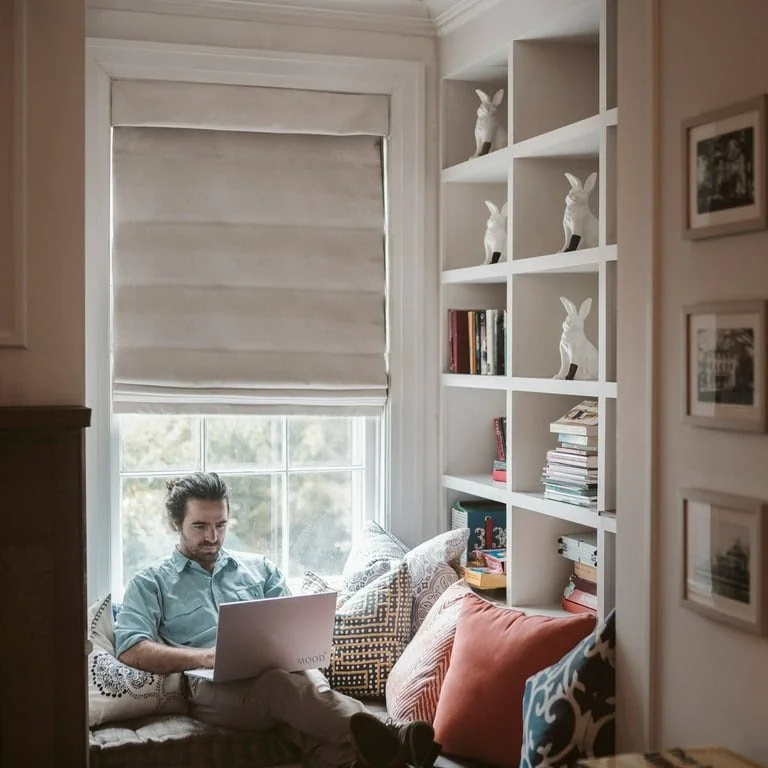
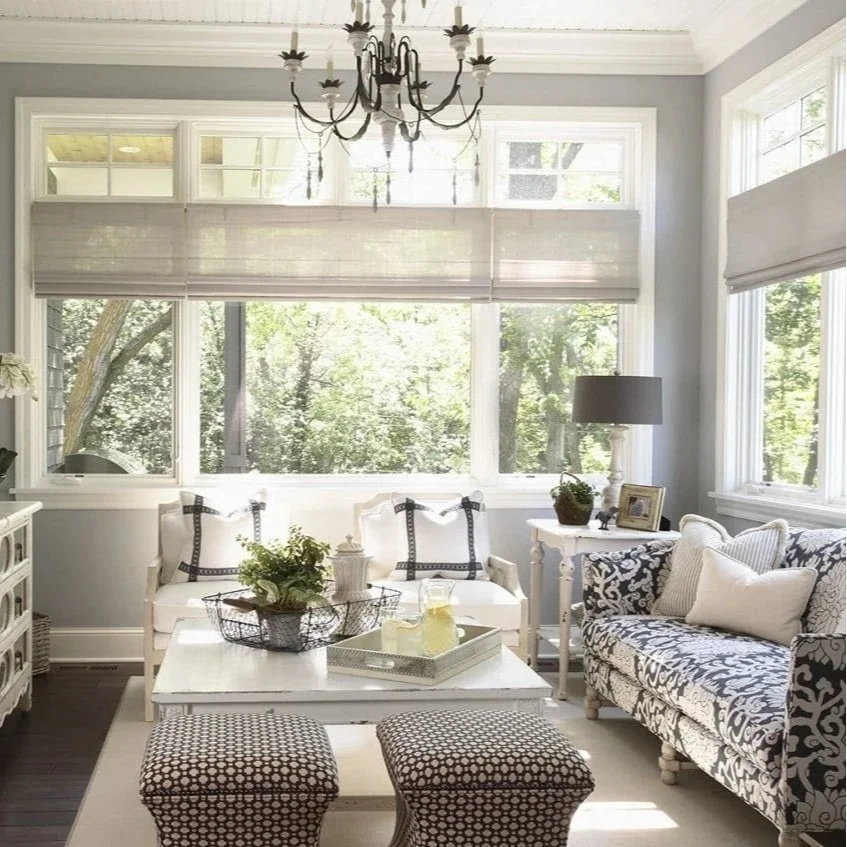
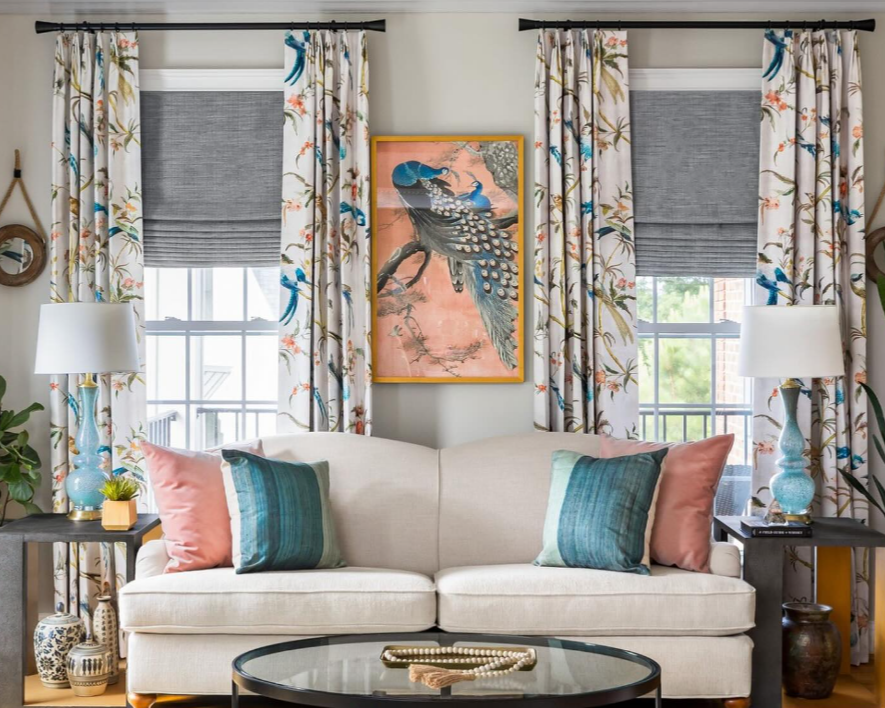
Roman shades combine the softness of fabric with the clean lines of a shade. When raised, they stack neatly; when lowered, they provide a polished, tailored look.
Function:
Clean structure • Light control • Tailored softnessBest used in:
Kitchens, bathrooms, breakfast rooms, and casual living areas.Why they work:
They offer pattern and texture without overwhelming the space and layer beautifully with stationary drapery panels.
Roller Shades
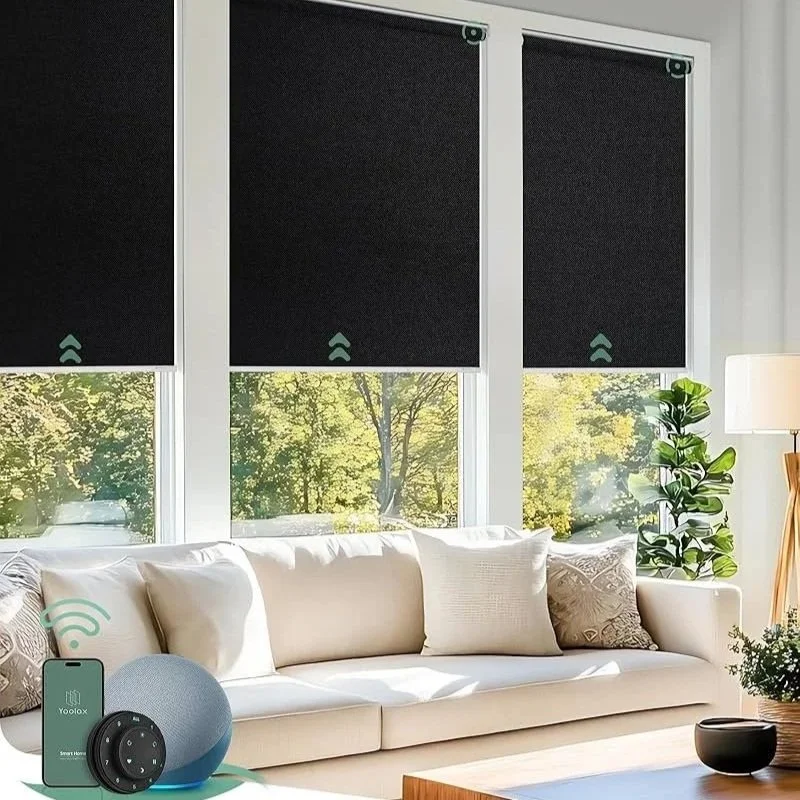
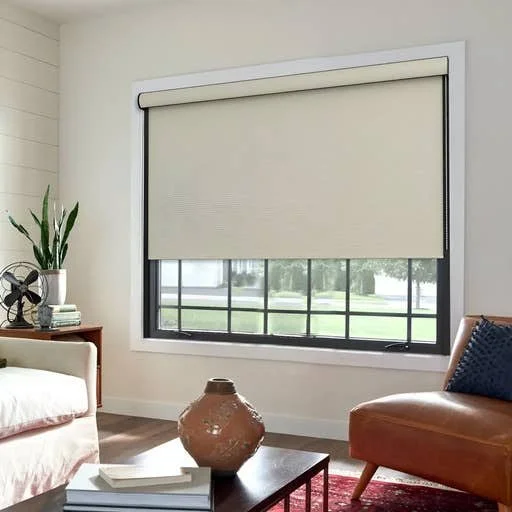
Roller shades are sleek, understated, and highly functional. They’re often used when light control and privacy are priorities.
Function: Simplicity • Blackout • Minimal visibility
Simplicity • Blackout • Minimal visibilityBest used in:
Bedrooms, media rooms, modern interiors, and layered behind decorative drapery.Designer tip:
Roller shades do the functional work quietly, allowing decorative treatments to shine.
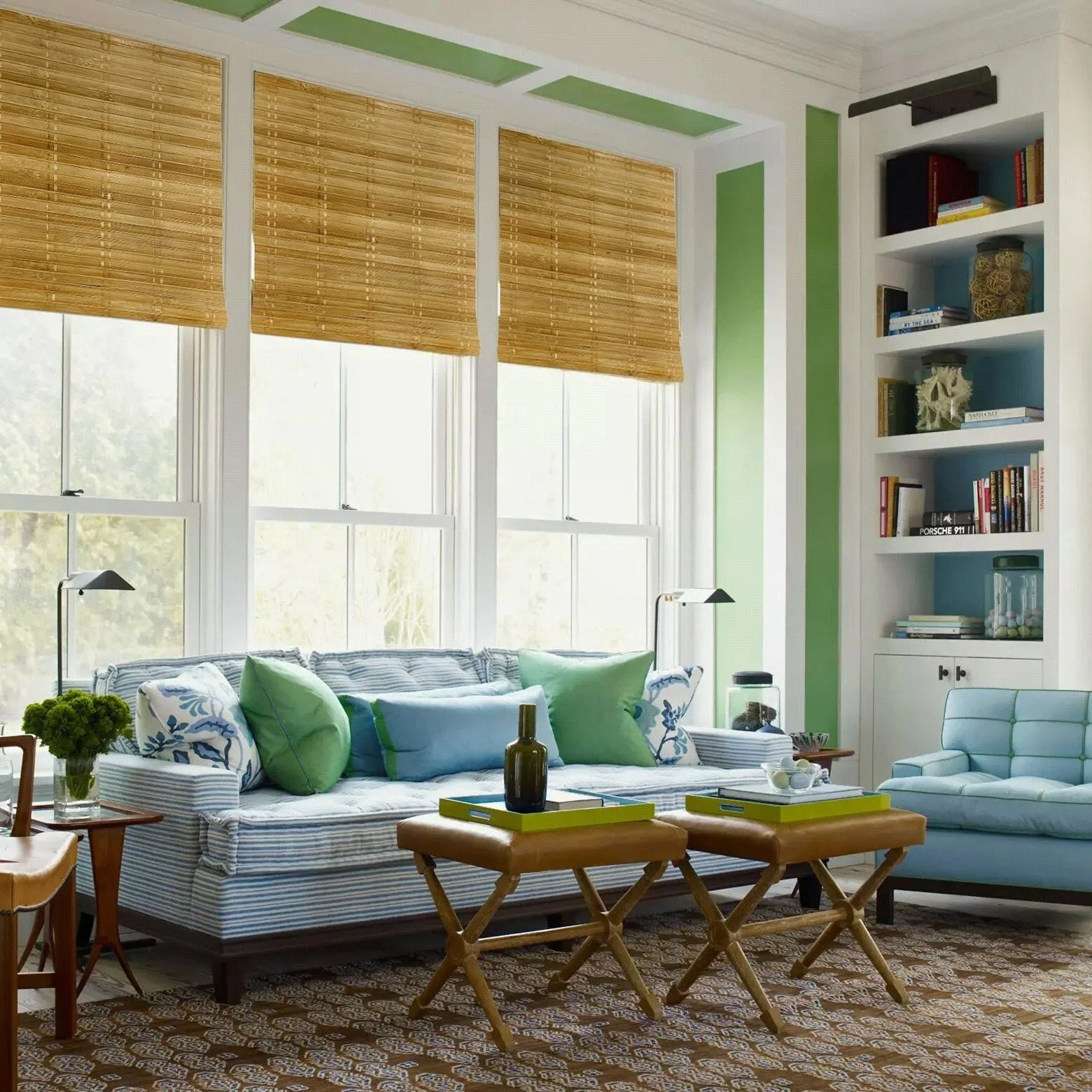
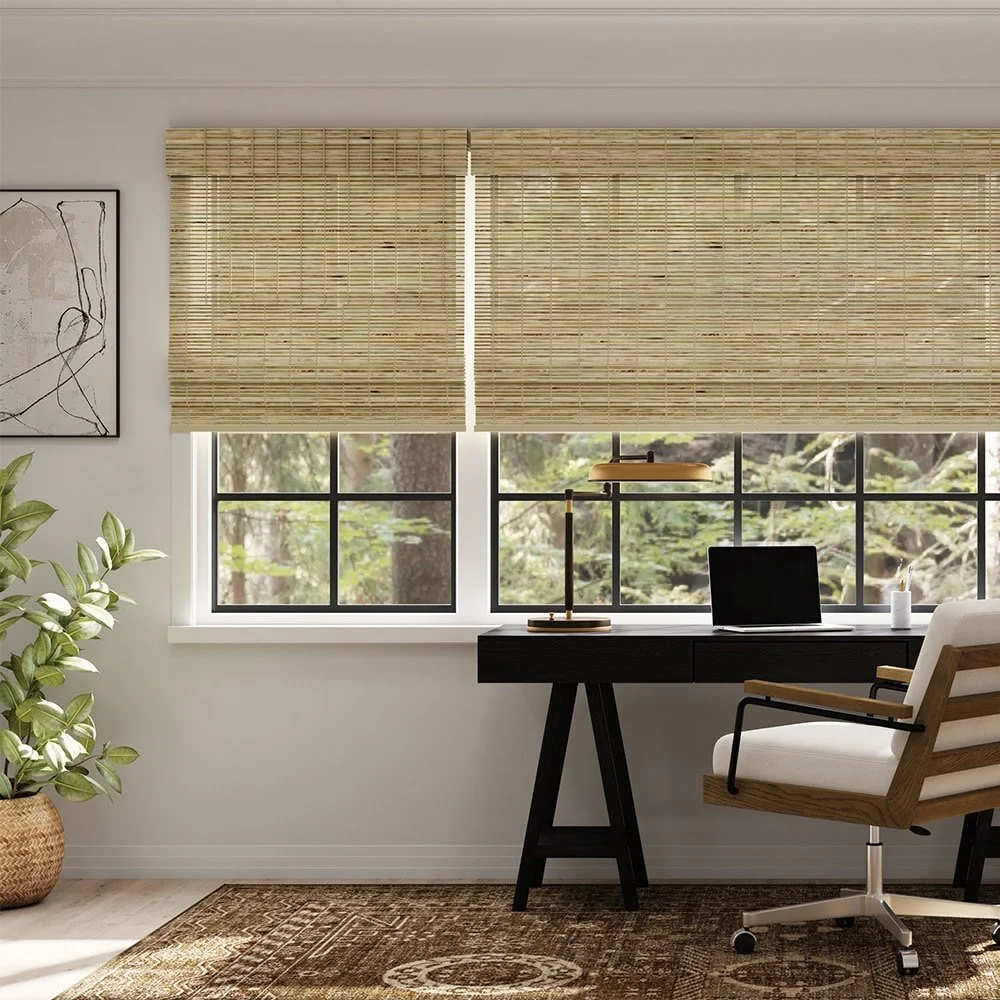
Woven Wood Shades
Woven wood shades bring organic texture and warmth to a space, adding depth without heaviness.
Function:
Texture • Warmth • Natural light filteringBest used in:
Southern homes, coastal spaces, sunrooms, and relaxed living areas.Why they’re loved:
They introduce natural materials that soften interiors and complement both traditional and modern design.
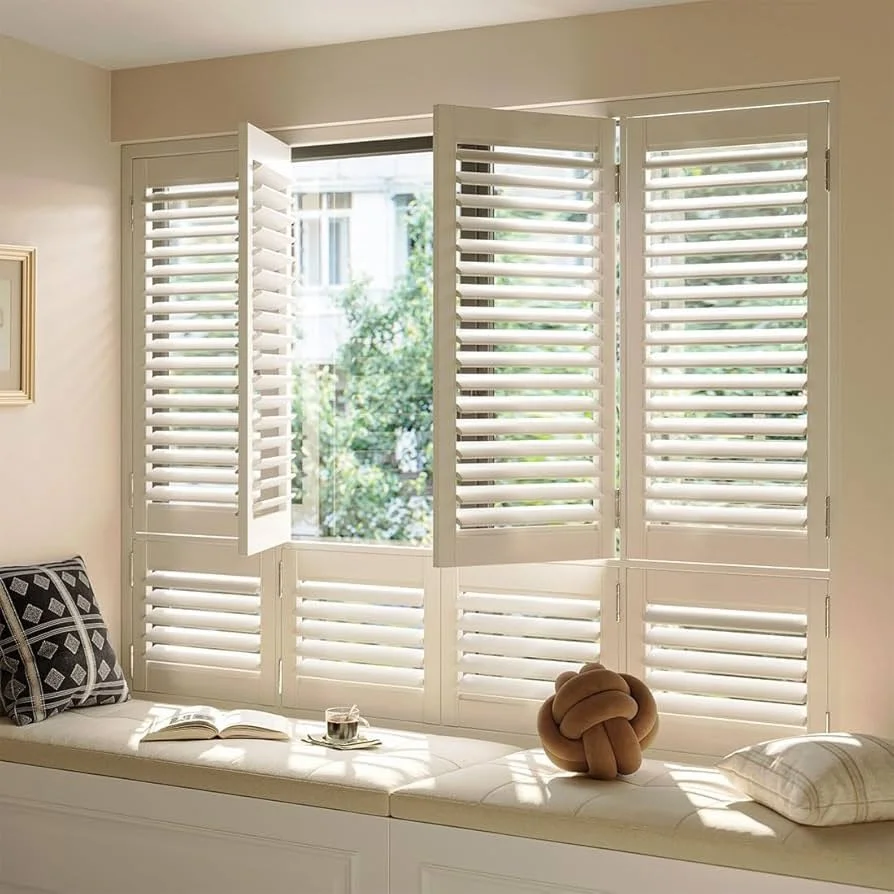
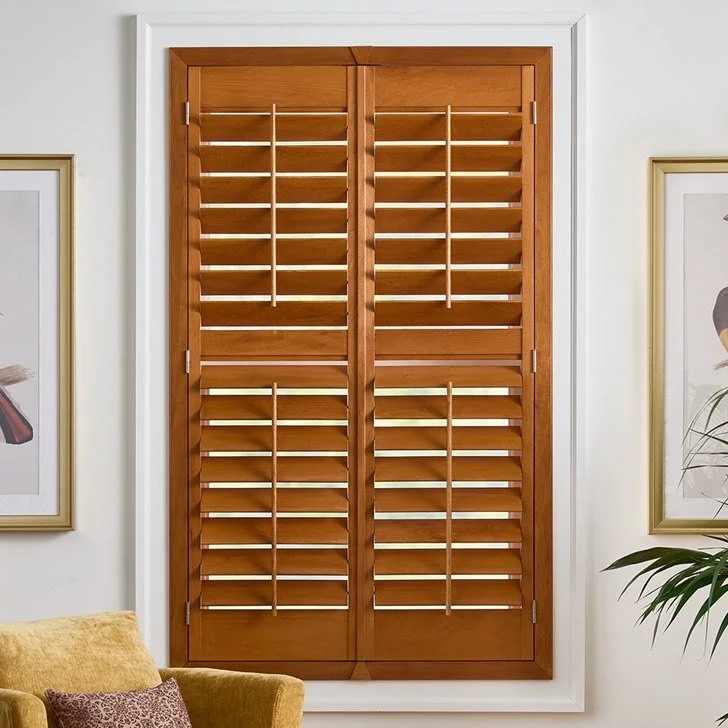
Shutters
Shutters are both a window treatment and an architectural feature. They offer excellent control over light and privacy while feeling permanent and timeless. We use these a lot in the south and in mediterranean countries!
Function:
Privacy • Light control • Architectural structureBest used in:
Traditional homes, Southern architecture, kitchens, and bathrooms.Design advantage:
They add structure and character while remaining incredibly practical.
Blinds
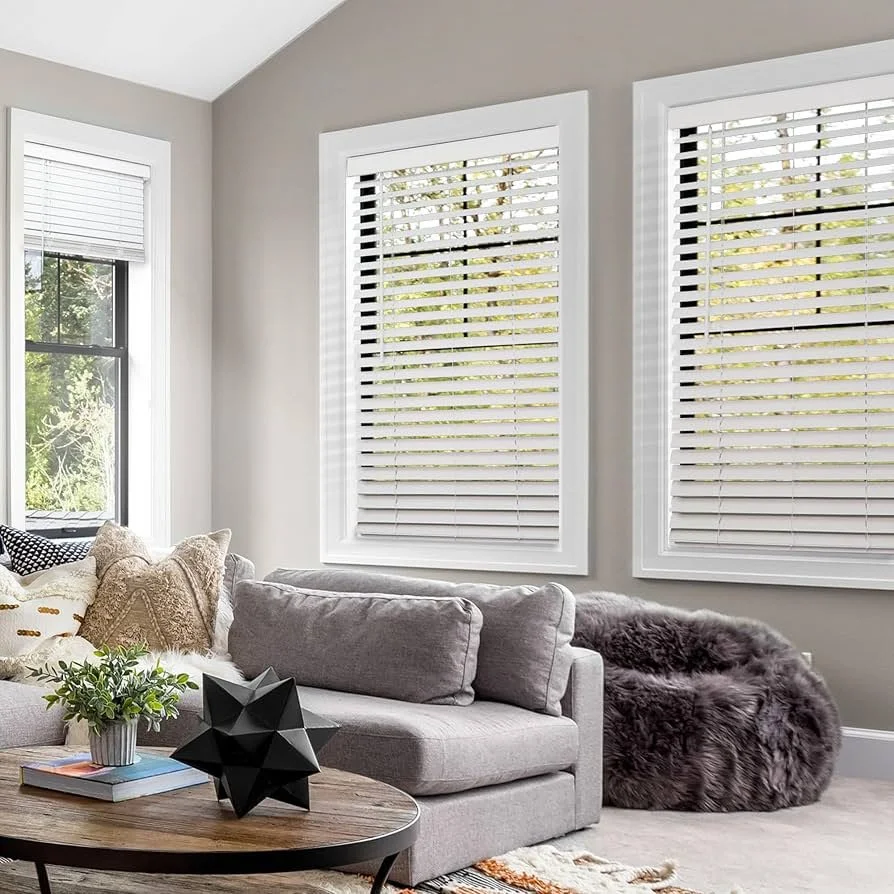
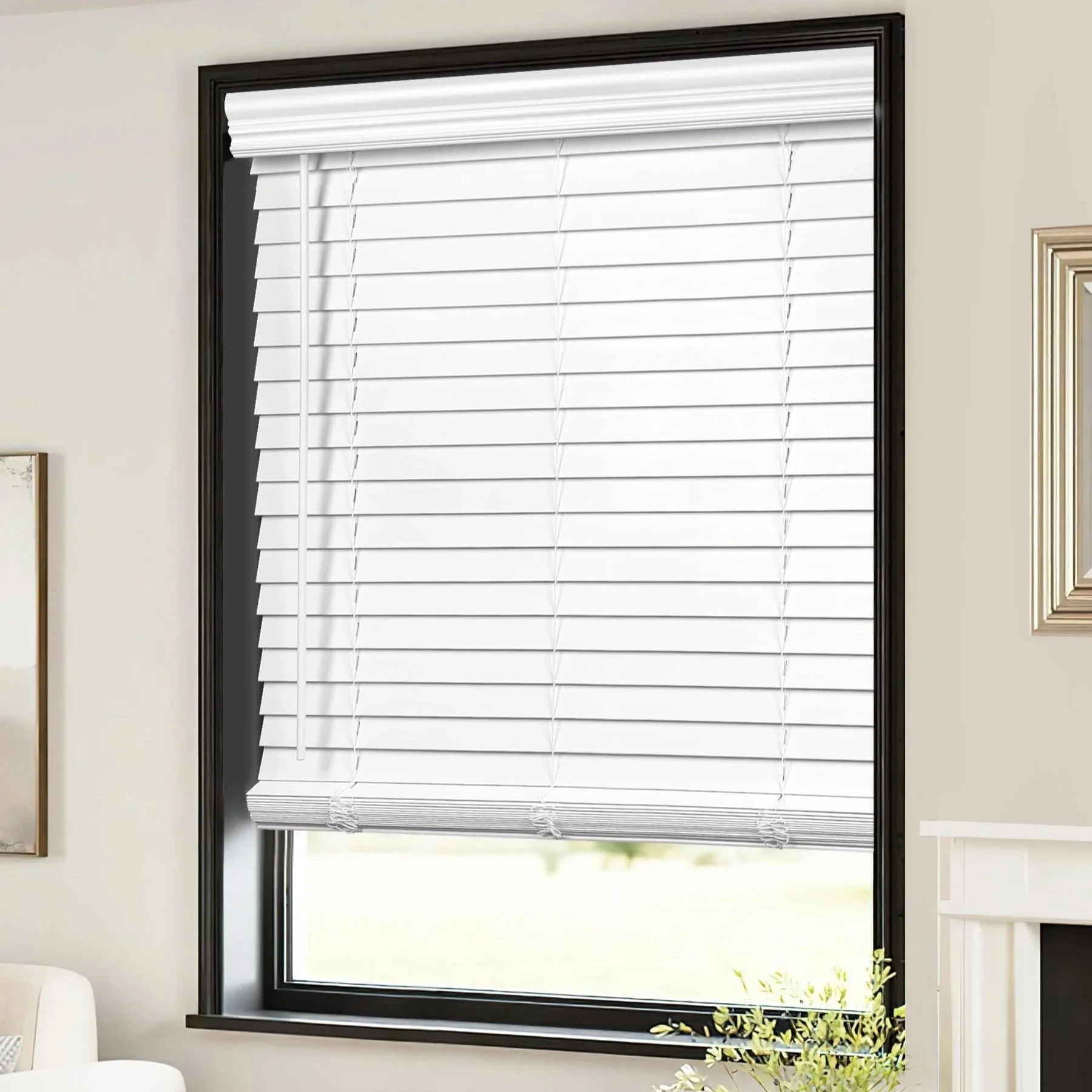
Blinds are my least favorite type of window treatment. If at all possible I will remove them! They are a straightforward solution for light and privacy control, though they offer minimal softness.
Function:
Privacy • Adjustable light • Practical controlBest used in:
Secondary spaces, offices, or utility areas.Design note:
Blinds are functional, but they’re rarely the final design layer in a fully finished home and if you must use them select the widest thickest blind possible for your window casing.
Layered Window Treatments: Brit's Approach
The most thoughtfully designed spaces rarely rely on just one window treatment. Layering allows each element to serve a purpose while enhancing the overall look.
Common pairings include:
Roller shades with drapery panels
Roman shades with stationary side panels
Sheers layered beneath blackout drapery
Woven wood shades paired with fabric panels
Layering provides flexibility, comfort, and visual richness—day and night.
Why Window Treatments Matter
Window treatments do far more than cover glass. They influence:
Light and glare control
Privacy
Energy efficiency
Room proportion
Overall mood and comfort
They are the finishing touch that turns a built house into a fully realized home.
At Brit Nelson Interiors, we believe window treatments are not an accessory—they are an essential design layer that brings balance, warmth, and intention to every space.
XOXO- Brit